



29 july – 20 september
Today, Gorodets painting is one of Russia's most recognizable folk crafts. The Gorodets painting art, which has absorbed the high culture of icon-painting mastery, continues to inspire artists to create images in the spirit of an established tradition.
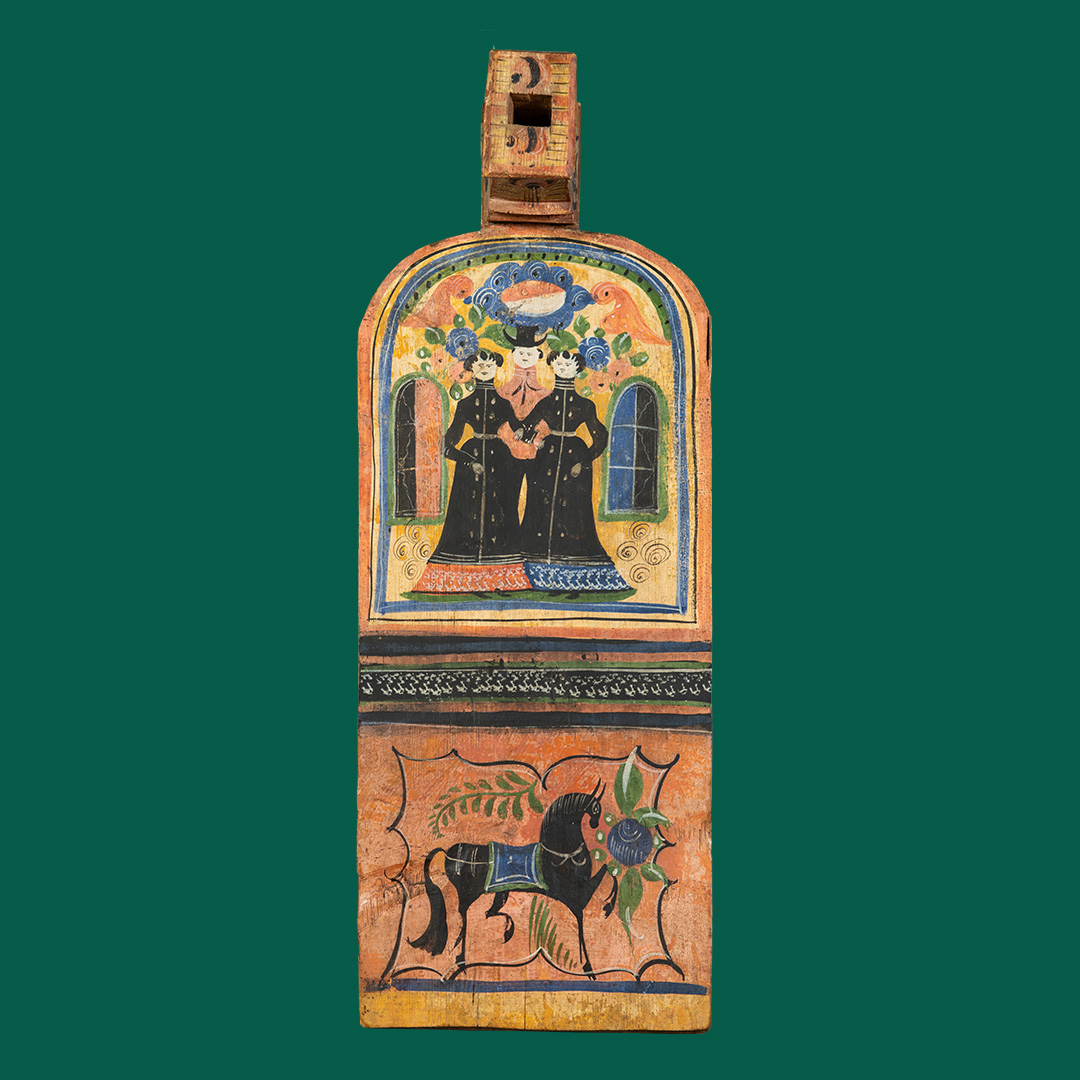
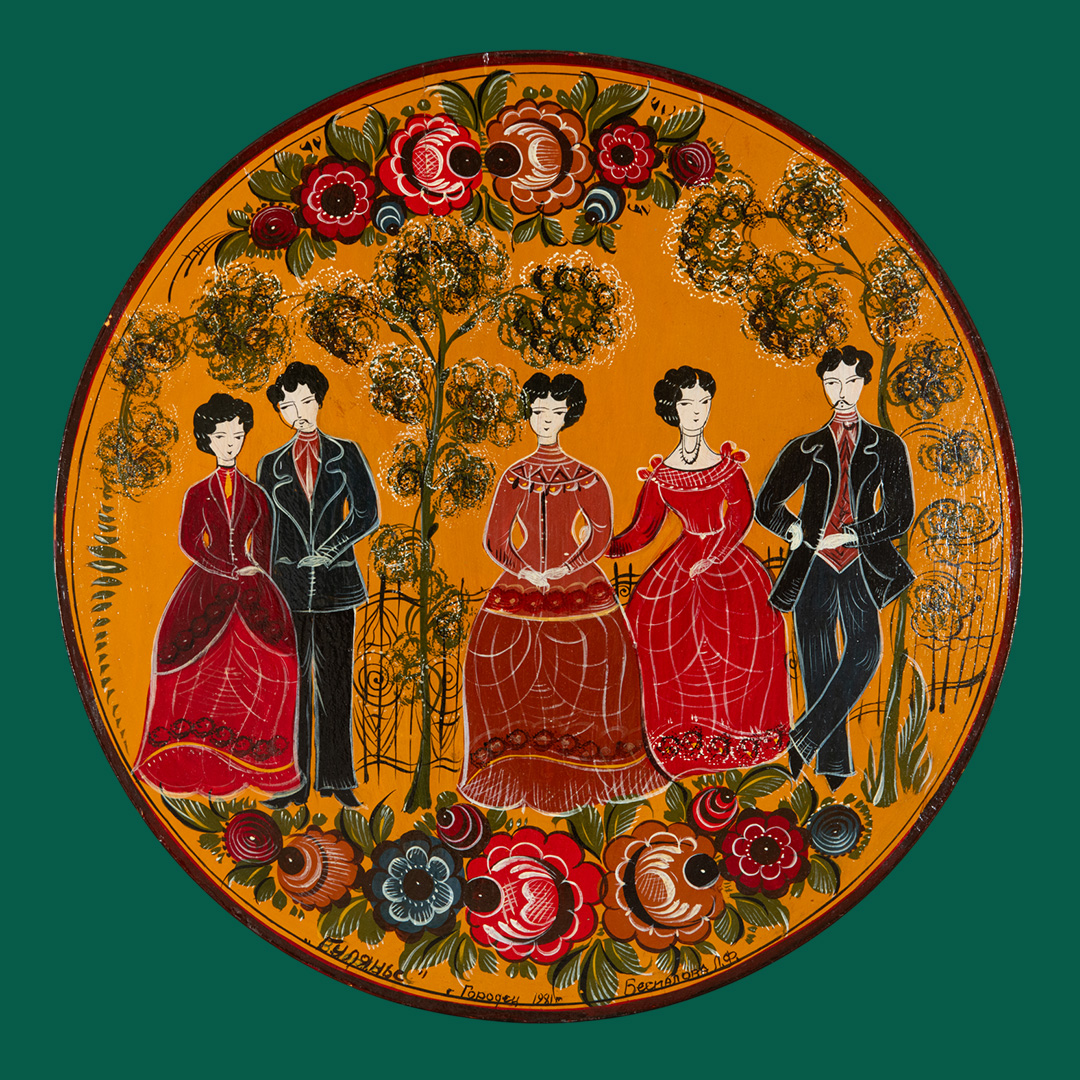
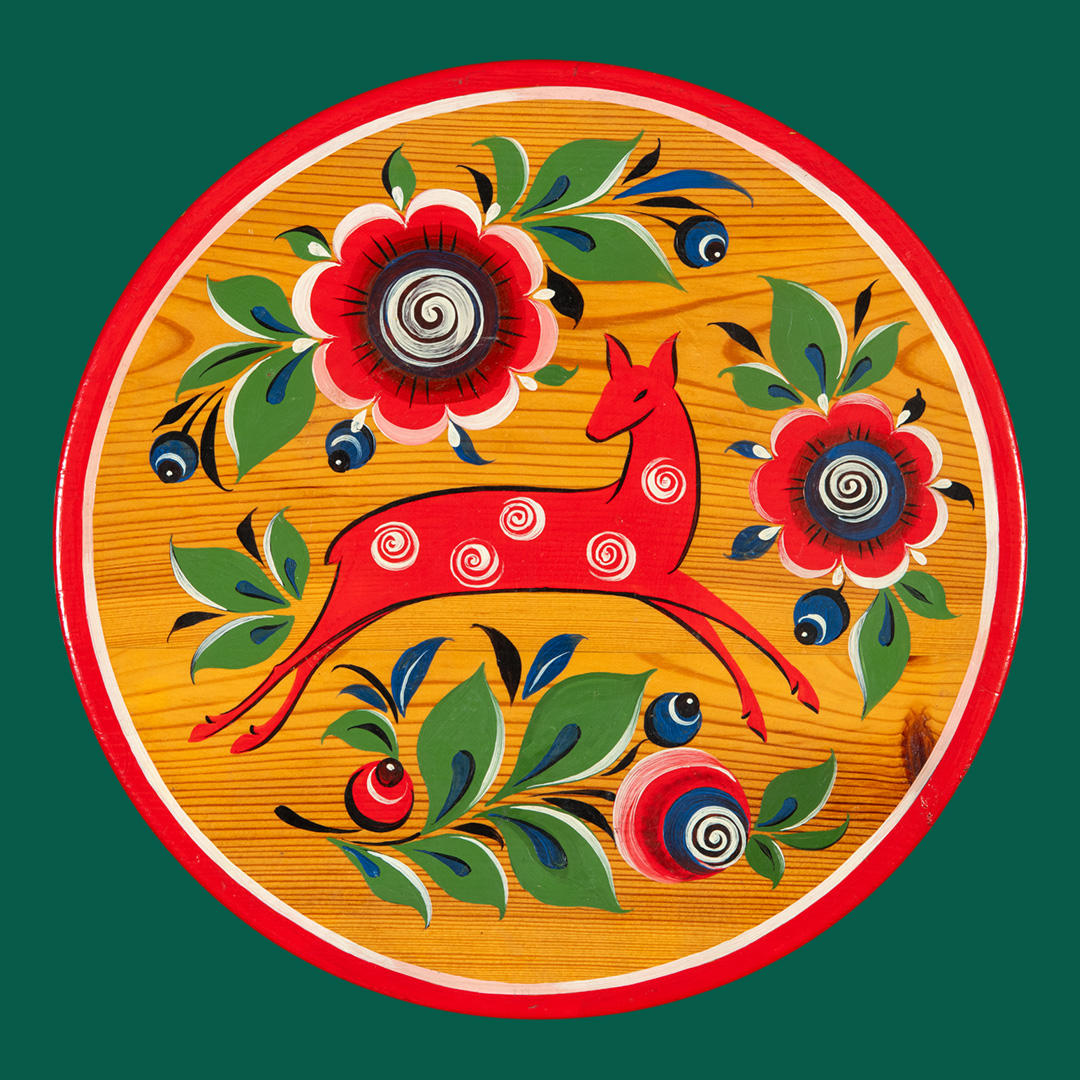
Visitors will embark on a journey through time – from the craft's origins to contemporary works by masters of the Gorodets Painting factory. The exhibition "The Marvelous Wonder of Gorodets" presents Gorodets painting as a living tradition that continues to evolve today, preserving its unique figurative language. Through vivid images of horses, birds, floral garlands, and scenes of folk life, an extraordinary world unfolds where everyday life transforms into celebration, and history becomes a true "marvelous wonder."
For Margarita Yudina-Nadezhdina, the exhibition's curator, Gorodets has become a remarkable place where the past is not separated from the present: "It lives in wooden houses, museum objects, factory workshops, and in the people who continue to create Gorodets painting. The exhibition invites you to feel this continuity of tradition, to see not only the history of the craft but also its living continuation in the present."
The exhibition features objects from the 18th to 20th centuries – painted panels and plates, spinning wheel bottoms, wooden friezes, carved valances, festive costumes with gold embroidery, as well as contemporary pieces created at the Gorodets Painting factory – over 250 exhibits in total.
The exhibition is held as part of the CRAFTS exhibition series under the auspices of the Ministry of Industry and Trade of Russia, in collaboration with the Gorodets Painting factory.
Among the exhibits:
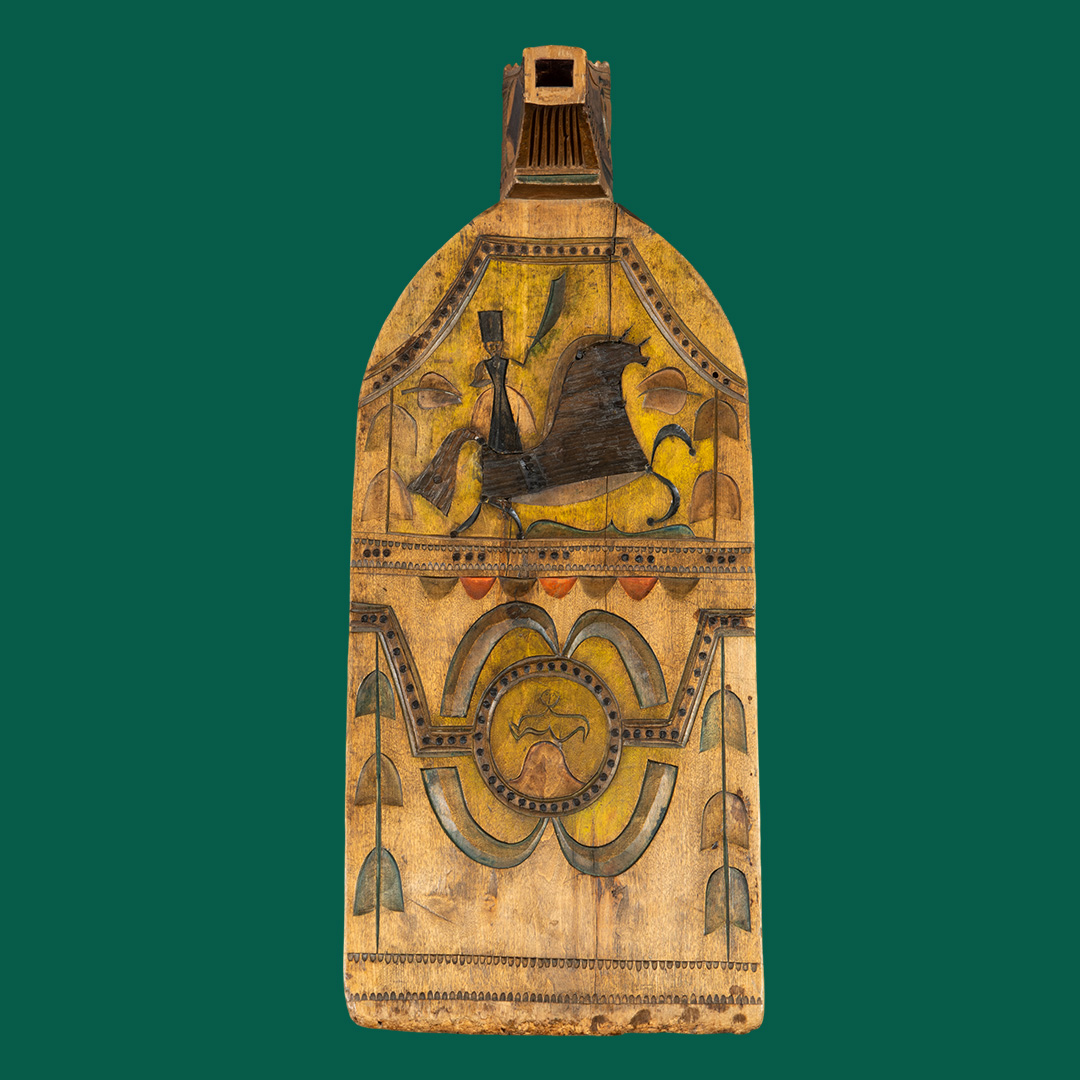
- Spinning wheel bottom by Krasnoyarov (early 20th century; the collection of the Decorative Art Museum) – this work conveys a sense of fullness and happiness in life. It became a symbol of the late but vibrant flowering of the artist's creativity, whose works earned well-deserved recognition at Moscow art exhibitions. At the time of its creation, the master was 75 years old.
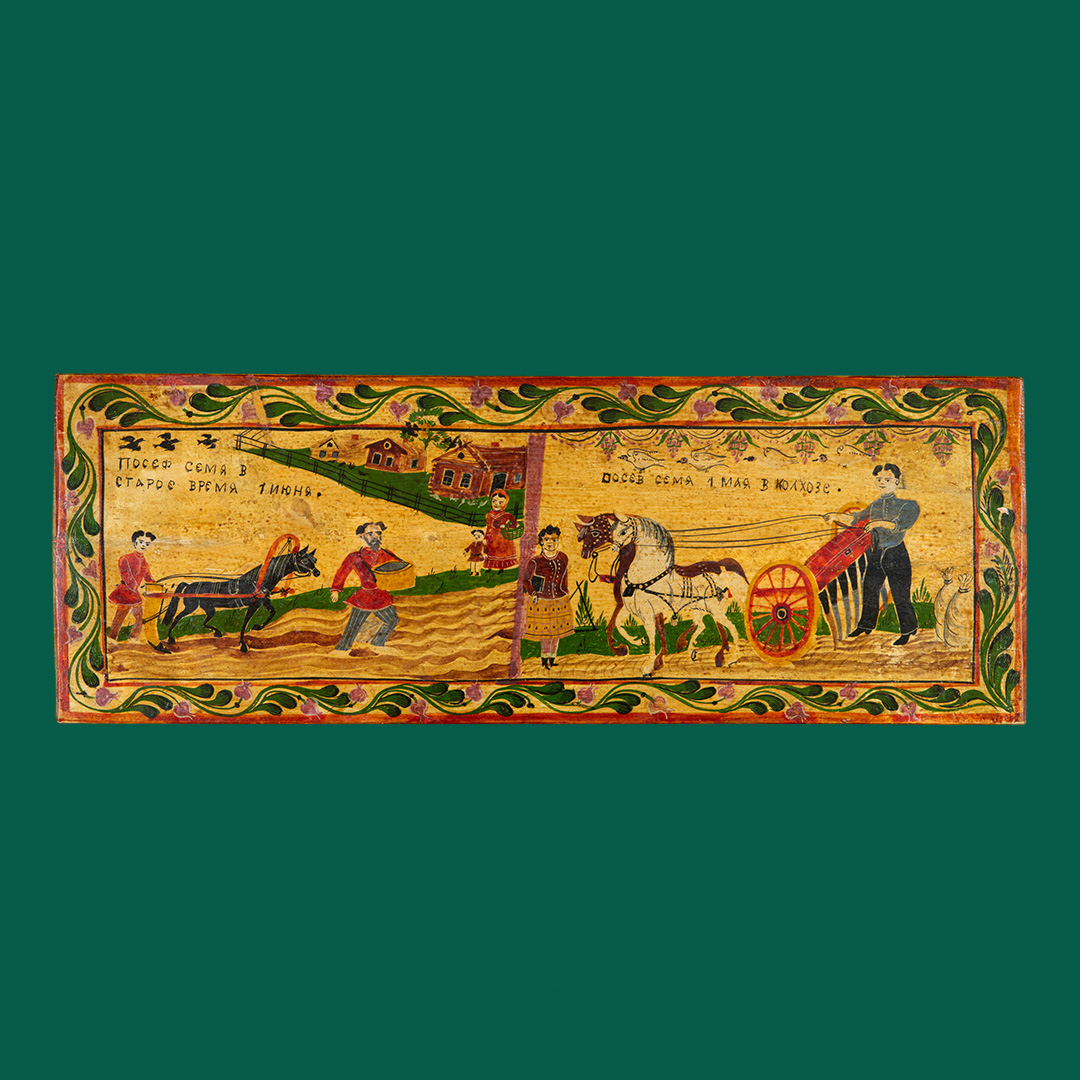
- Panel "Sowing in the Village" by Mazin (1930s; the collection of the Decorative Art Museum) – an artist from a family of hereditary masters, Ignaty Mazin wielded his brush with ease, applying strokes directly to the object without preliminary sketches. In his works, details are often outlined with just a few brushstrokes, yet the character of each figure is successfully conveyed. Mazin's painting is distinguished by naivety, spontaneity, and cheerful bravado.
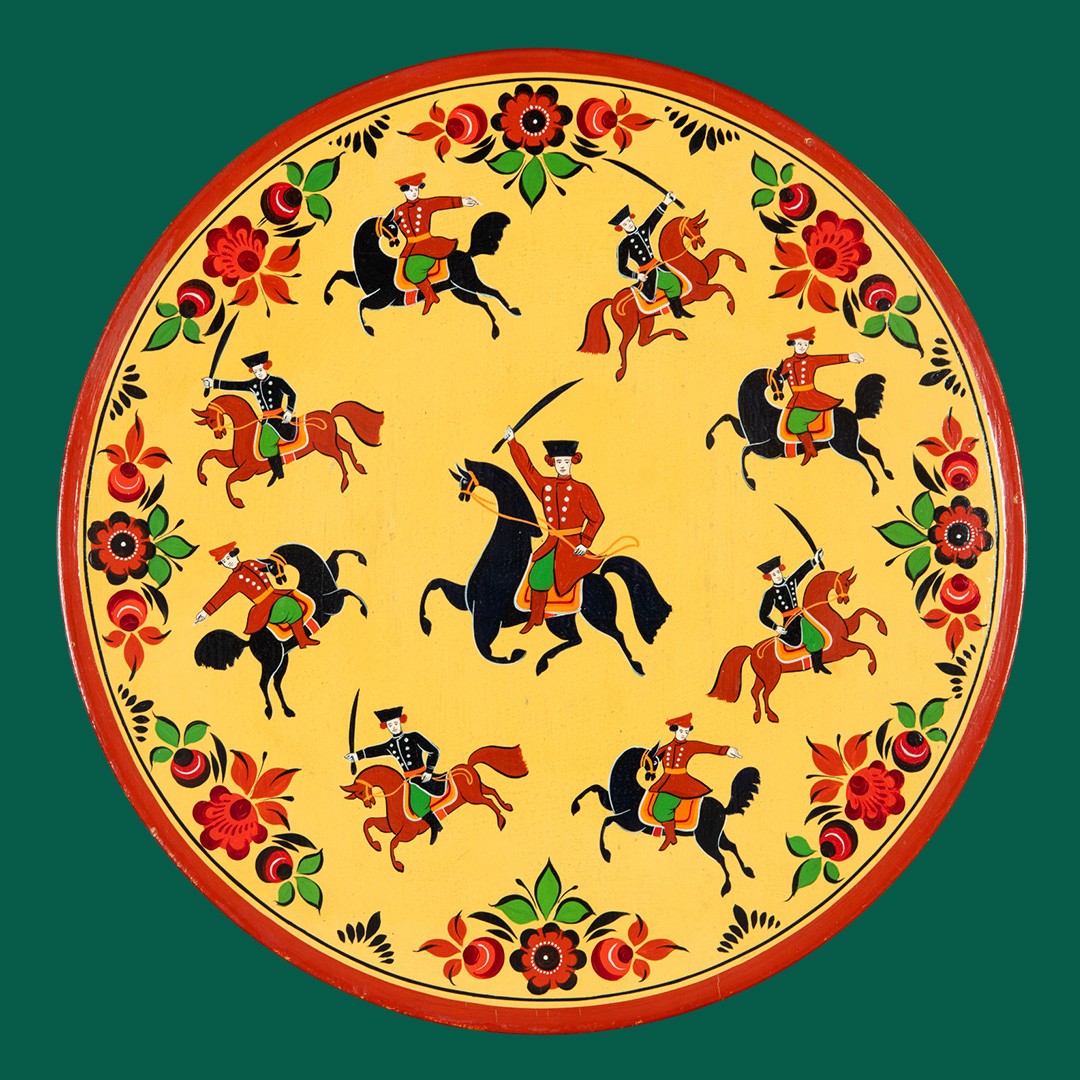
- Plate "Horsemen" by Konovalov (1959; the collection of the Decorative Art Museum) – a work by one of the key organizers and preservers of the traditional folk craft in the post-war period, and author of the book "Gorodets Painting: Stories about Folk Art." Konovalov actively collaborated with the Research Institute of the Art Industry.
For children, the exhibition features an interactive section with Gorodets toys, painted children's furniture, and a play area. The project is accompanied by an educational program: guided tours and painting workshops.
About the Expedition to Gorodets
In order to thoroughly prepare the exhibition's content, staff of the All-Russian Decorative Arts Museum embarked on an expedition to Gorodets – the oldest town in the Nizhny Novgorod region. Tatyana Chubarova, curator of the wood department, and artist Margarita Yudina-Nadezhdina visited the museum complex and the Gorodets Painting factory, where they witnessed how the traditions of Gorodets painting are developing today. Conversations with craftspeople and specialists allowed them to assess the current state of the craft and determine the key focal points for the upcoming exhibition.
"Today, it is especially important not only to study collections but also to document the current state of production facilities related to the art industry. That is why expeditions are a vital part of museum work – rarely seen by the public, but essential for gaining a deeper understanding of an object, its origins, and cultural context. Our museum historically inherits the tradition of direct engagement with crafts and enterprises. I sincerely believe that folk arts and crafts have not only a great past but also a bright future. And I am glad that our museum contributes to its development," says Tatyana Rybkina, Director of the All-Russian Decorative Art Museum.
Visitors will embark on a journey through time – from the craft's origins to contemporary works by masters of the Gorodets Painting factory. The exhibition "The Marvelous Wonder of Gorodets" presents Gorodets painting as a living tradition that continues to evolve today, preserving its unique figurative language. Through vivid images of horses, birds, floral garlands, and scenes of folk life, an extraordinary world unfolds where everyday life transforms into celebration, and history becomes a true "marvelous wonder."
For Margarita Yudina-Nadezhdina, the exhibition's curator, Gorodets has become a remarkable place where the past is not separated from the present: "It lives in wooden houses, museum objects, factory workshops, and in the people who continue to create Gorodets painting. The exhibition invites you to feel this continuity of tradition, to see not only the history of the craft but also its living continuation in the present."
The exhibition features objects from the 18th to 20th centuries – painted panels and plates, spinning wheel bottoms, wooden friezes, carved valances, festive costumes with gold embroidery, as well as contemporary pieces created at the Gorodets Painting factory – over 250 exhibits in total.
The exhibition is held as part of the CRAFTS exhibition series under the auspices of the Ministry of Industry and Trade of Russia, in collaboration with the Gorodets Painting factory.
Among the exhibits:
- Spinning wheel bottom by Krasnoyarov (early 20th century; the collection of the Decorative Art Museum) – this work conveys a sense of fullness and happiness in life. It became a symbol of the late but vibrant flowering of the artist's creativity, whose works earned well-deserved recognition at Moscow art exhibitions. At the time of its creation, the master was 75 years old.
- Panel "Sowing in the Village" by Mazin (1930s; the collection of the Decorative Art Museum) – an artist from a family of hereditary masters, Ignaty Mazin wielded his brush with ease, applying strokes directly to the object without preliminary sketches. In his works, details are often outlined with just a few brushstrokes, yet the character of each figure is successfully conveyed. Mazin's painting is distinguished by naivety, spontaneity, and cheerful bravado.
- Plate "Horsemen" by Konovalov (1959; the collection of the Decorative Art Museum) – a work by one of the key organizers and preservers of the traditional folk craft in the post-war period, and author of the book "Gorodets Painting: Stories about Folk Art." Konovalov actively collaborated with the Research Institute of the Art Industry.
For children, the exhibition features an interactive section with Gorodets toys, painted children's furniture, and a play area. The project is accompanied by an educational program: guided tours and painting workshops.
About the Expedition to Gorodets
In order to thoroughly prepare the exhibition's content, staff of the All-Russian Decorative Arts Museum embarked on an expedition to Gorodets – the oldest town in the Nizhny Novgorod region. Tatyana Chubarova, curator of the wood department, and artist Margarita Yudina-Nadezhdina visited the museum complex and the Gorodets Painting factory, where they witnessed how the traditions of Gorodets painting are developing today. Conversations with craftspeople and specialists allowed them to assess the current state of the craft and determine the key focal points for the upcoming exhibition.
"Today, it is especially important not only to study collections but also to document the current state of production facilities related to the art industry. That is why expeditions are a vital part of museum work – rarely seen by the public, but essential for gaining a deeper understanding of an object, its origins, and cultural context. Our museum historically inherits the tradition of direct engagement with crafts and enterprises. I sincerely believe that folk arts and crafts have not only a great past but also a bright future. And I am glad that our museum contributes to its development," says Tatyana Rybkina, Director of the All-Russian Decorative Art Museum.